

Something I see over and over in the current culture is people thinking that they need to “fix” a feeling before they can act.
Perhaps you think you need to feel motivated. Or inspired. Or that you can’t possibly have a good day because you slept poorly the night before. Or because you’re feeling some anxiety.
Now you shouldn’t suppress or ignore your emotions. If you can do something to feel better, then yes, of course, do it. But one of the most underrated skills in life is performing well even when you don’t feel your best.
It’s a recurring theme not just in my coaching but also in my research and writing about excellence: The greats aren’t great because they always have perfect conditions to do meaningful work. They are great because they show up and give it their best shot even when they don’t. Instead of freaking out or seeing themselves as fragile, they still take the swing and are open to being pleasantly surprised.
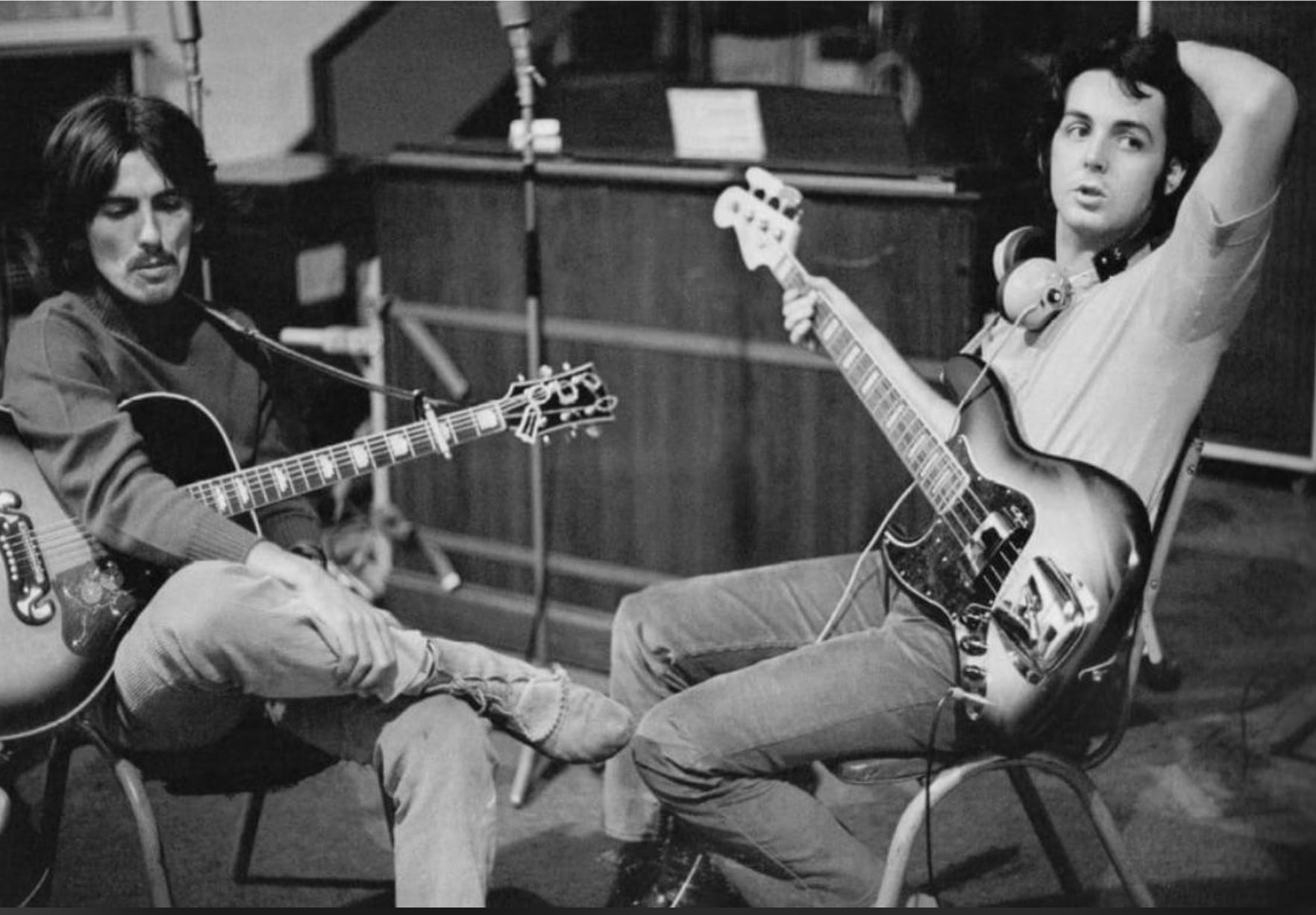
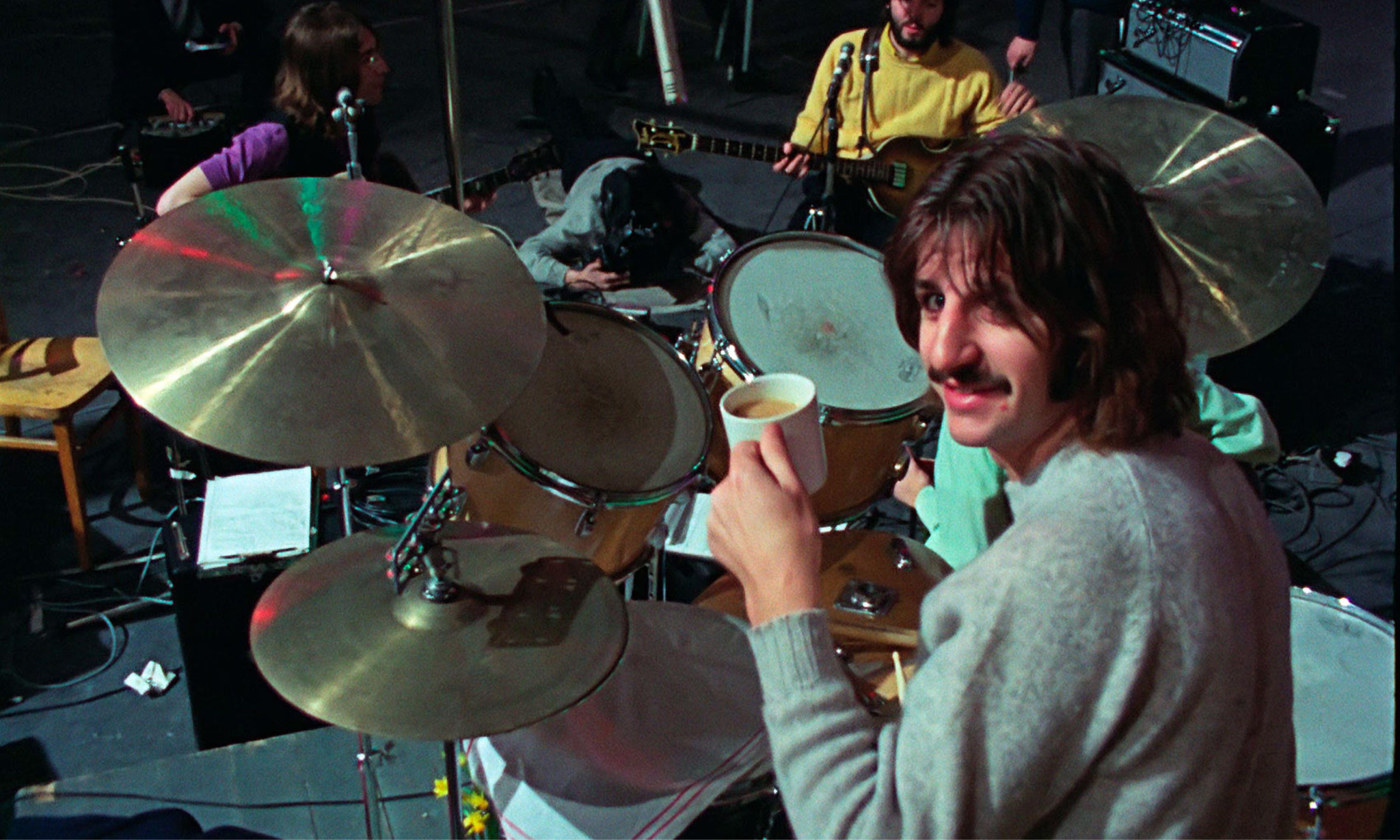
My favorite scene in the Beatles documentary Get Back begins with the band stumbling into a recording session having hardly any energy. Paul McCartney is visibly frustrated, noting that “Lennon’s late again.” George Harrison is yawns and struggles to keep his eyes open. Ringo Starr appears exhausted and zoned out. You can only imagine what they were doing the night before, but it’s clear that nobody wants to be in the studio.
Nevertheless, McCartney lazily begins strumming an A chord on his bass, gibbering ad-lib lyrics. Eventually he lands on the words “get back.” Those two words have an immediate affect on Harrison and Starr, who return to life. Lennon finally enters the studio, grabs his guitar, and joins in. Herein lies the genesis of one of the most iconic songs ever written.
Imagine if the Beatles had decided not to start that day because they didn’t feel up to it. Or if McCartney had referenced a wearable that, based on a black-box algorithm, told him to “optimize” his performance, he would need to stay in bed and rest. Or if the band had told themselves, Today just isn’t the day, and created a self-fulfilling prophecy around that thought.
A massive trap is spiraling because you feel off. But the problem isn’t always the feeling. Sometimes the problem is freaking out about the feeling.
You can feel tired, stressed, unsure, and still deliver. You can put the not-so-great feelings or conditions in the passenger seat and take them along for the ride. So much of life is showing up, getting started, and giving yourself a chance.
Anyone can do great work when everything is clicking, but more important is being able to deliver even when it’s not.
It’s saying, “Okay, this might be harder than usual, but I can manage.”
And then you manage.
You could be a surgeon who was awakened during call at 3AM for an emergency case, a student with a headache before a big exam, or an athlete who couldn’t get their usual pre-event meal or warm-up. Those conditions aren’t ideal, but what’s worse is catastrophizing; what’s worse is telling yourself you can’t perform well because everything isn’t just right.
It’s a paradox: you want to do everything possible to control the controllables, feel good, and set yourself up for success. At the same time, you must be confident that you can release from needing things to be a certain way in order to focus, give full effort, and do your best.
The ability to remain calm when things don’t go to plan is a core part of what psychologists call self-efficacy: An evidence-based belief that you are capable of showing up, working through challenges, and excelling in uncertain or highly charged circumstances.
Decades of research show that individuals who score high in self-efficacy are better able to work through moments when they feel lost or stuck, be it in the operating room, on the playing field, or in the boardroom. It follows that one of the best things you can do for your confidence is feel off and still perform well. It frees you from the need to have perfect conditions to give it a go. You give yourself the evidence that you are resilient, durable, robust and can get the job done.
It’s great that people are more in touch with their feelings. It’s great that we as a society place more emphasis on mental health. But if the pendulum swings too far, if you start believing that you must feel a certain way, or that you can’t possibly tolerate feeling another way, then it actually degrades the very mental health you are trying to improve. You end up in a pattern of rigidity, over-controlling, and avoidance. Your life shrinks. You become fragile.
Do what you can to feel good. But don’t become attached to any feeling. Tell yourself: This is what’s happening right now. I’m doing the best that I can. It may be hard, but I can show up, get started, and give myself a chance.
The more you do this, the more confident you become.
Brad, I was thinking about precisely this during the Chicago Marathon on Sunday. I’d been sick, injured my ankle during training, and knew before the starting gun that this wouldn’t be my best race.
But that wasn’t why I was there.
Somewhere along those 26.2 miles, I found myself reflecting on the difference between performing under ideal conditions and remaining faithful to a commitment when those conditions disappear.
Your point about self-efficacy is especially important. We develop confidence through lived evidence that we can meet difficult circumstances without needing everything to feel right first.
Of course, there’s wisdom in knowing when to stop. But there’s also a danger in making our internal state the final authority over what we’re willing to attempt.
I finished my third World Marathon Major that day. The clock recorded one thing; the experience taught me something far more valuable.
Sometimes the achievement is simply discovering that the person you intended to become is already there, doing the work.
I love this, Brad! Feeling off and showing up anyway is how so much good work actually gets done. The Get Back scene is the perfect example.