

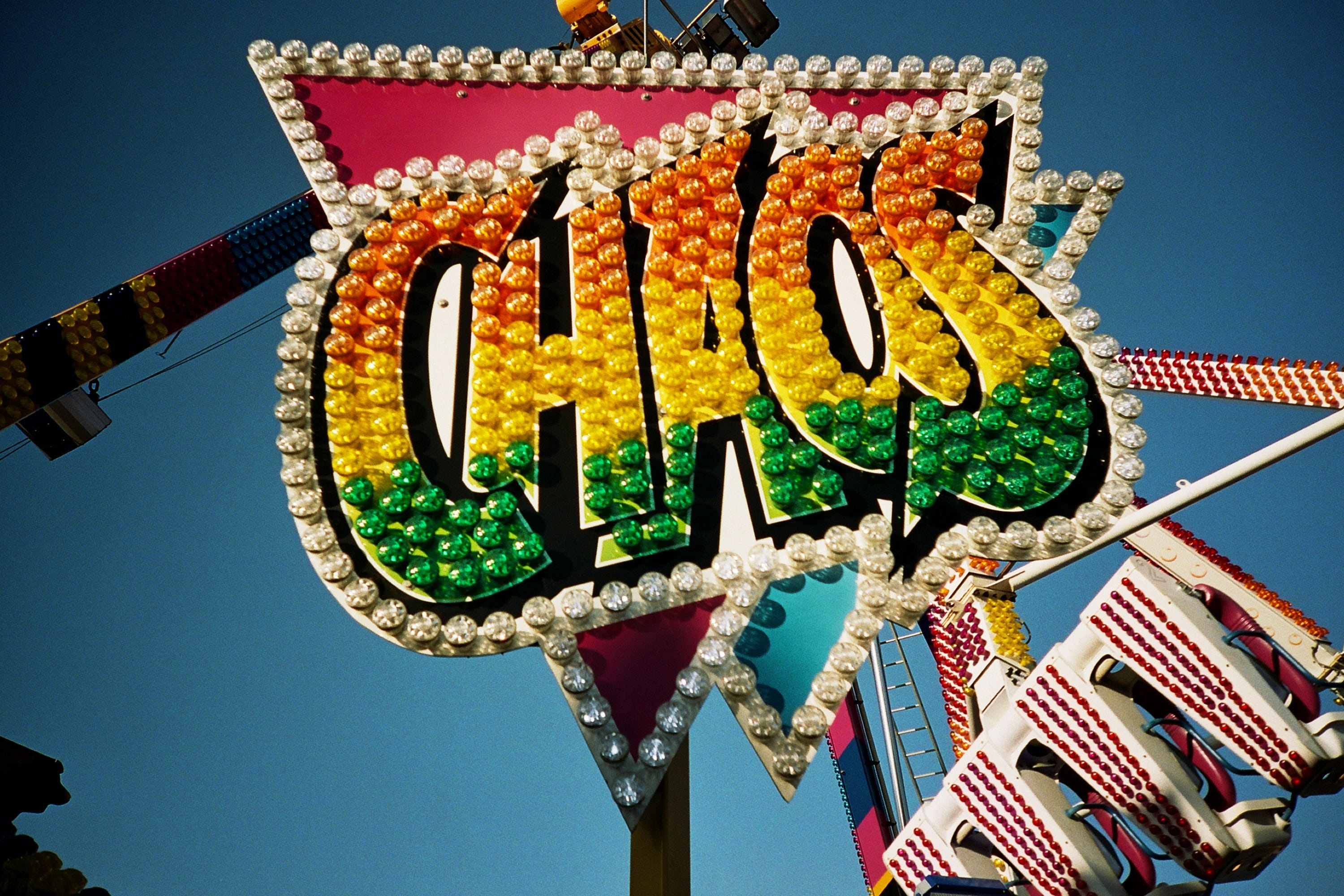
Here’s a modern phenomenon that once you see, you can’t unsee:
When life becomes frictionless and numb, when people are starved for resonance and aliveness, they start seeking out chaos simply to feel something, anything.
Outrage. Conspiracy theories. Political tribalism. Drama and gossip.
All become cheap substitutes for deeper sources of excitement, meaning, and purpose. Researchers even have a name for this: “The need for chaos.”
Studies show the strongest predictor of conspiratorial thinking isn’t ignorance, it’s social alienation and run-of-the-mill boredom. It perfectly explains the common occurrence of someone retiring from their career, sending their children off to school, and then becoming radicalized on their screen for 10 hours a day alone in their basement. Or the young men who live on Twitch instead of taking on challenges in the real world and contributing to society. When we’re cut off from meaningful connection and engaging pursuits, we seek intensity wherever we can find it. Even mayhem and disorder start to look appealing.
If someone’s life begins to feel numbed, smoothed over, and isolated, then of course they’re going to vote for erratic politicians, cheer on meaningless unrest, or cause drama and stress in interpersonal relationships. These things become stand-ins for healthier and more meaningful sources of excitement. The phenomenon is intensified by a 24-7 news cycle that bombards us with “breaking” stories, all the while keeping us glued to our screens, full of anxiety, instead of out in the world doing real things with real people.
It’s absurd.
The good news is that it doesn’t have to be this way. There are deeper, more fulfilling, and more productive avenues to feeling alive and reconnecting with ourselves and each other. These deeper and more fulfilling avenues may not be the default, but that doesn’t mean we can’t choose them.
You know who doesn’t have time for gossip, drama, or joining online mobs?
The athlete in pursuit of excellence.
The physician diagnosing a tough case.
The teacher with a room of 20 kids.
The coach mentoring young adults.
The artist learning a new technique.
The musician working on their first album.
Chaos is a counterfeit version of feeling alive.
A more authentic, lasting, and fulfilling version is found in creating and contributing, be it committing to a craft, coaching a team, or immersing yourself in a productive community—in other words: doing real things in the real world that have an impact on real people. The antidote to the need for chaos is mastery and mattering.
To be sure, some people are simply unhinged. But most people don’t get that way overnight. And even if we resist totally losing ourselves to the need for chaos, it can creep into our lives in subtle ways. For example, the urge to check CNN.com or Nytimes.com in moments of boredom, for the sole purpose of feeling a jolt of anxiety. Or subconsciously searching for something to get upset or enraged over on social media.
Two things are play: we’ve lost the ability to be bored, and for many people, life is more boring than ever. Put these together, and you’re left with the need for chaos.
In a 2014 study out of the University of Virginia conducted by social psychologist Timothy Wilson, participants were asked to sit in an empty room for 15 minutes without any distractions. No phones. No laptops. No paper to doodle on. The subjects were given two options: to sit still with their thoughts, or to shock themselves with a strong electrical current. Sixty-seven percent of men and twenty-five percent of women chose to shock themselves repeatedly rather than sit still and wait.
The need for chaos is just how we shock ourselves in every day life.
In a world that sells us cheap spikes of anxiety and excitement, we must focus on grounding ourselves in devotion to community, crafts, and causes. We need to find (or create) meaningful sources of friction in our lives. Volunteer. Train for a marathon. Go climbing or backpacking. Learn an instrument. Join a rec sports league. Learn how to mold pottery. It gives us purpose and resilience that no amount of cheap thrills or chaos can offer.
Rock solid wisdom, with simple ways to move forward. It's a pleasure and privilege to read what you share.
When people lose structure, challenge, or connection, intensity becomes the substitute and outrage is the fastest route. The boredom piece especially stands out, because most of us were never taught how to tolerate it without reaching for a screen or a fight. I’ve found that helping clients build small, skill based commitments can change the entire trajectory of their days. Mastery and mattering aren’t flashy, but they outlast the dopamine spikes every time.